

The AI-Ready Data Foundation Gap: Why AI Roadmaps Stall Before They Start Most AI roadmaps get funded on the assumption that the data is ready. It usually isn’t, and the gap between “we have data” and an AI-ready data foundation is where most AI budgets quietly go to die. That’s not a rhetorical opener. Gartner’s …
 by Alok Kumar
Half of enterprises have deployed an AI agent or LLM feature that passed their internal evaluations and then caused a customer-facing failure. A quarter have had it happen more than once. That figure comes from VentureBeat’s June 2026 VB Pulse survey of 157 qualified respondents at organizations with 100 or more employees. A July wave …
by Alok Kumar 
I have sat in a lot of rooms where an AI project died quietly. Not because the technology failed. Because someone from legal asked one question near the end: where does our data actually go? Nobody had a clean answer. The pilot was shelved, and everyone moved on. That question is now arriving earlier. Teams …
by Alok Kumar 
AI agent implementation is now the most argued-about line item in most 2026 technology budgets. Your peers are shipping agents. Your board has read the same headlines you have. And somewhere in your organization, someone has already run a pilot that quietly went nowhere. I sit in these conversations every week. The pattern rarely changes. …
by Alok Kumar 
Legacy application modernization for manufacturers fails far more often than anyone in my industry likes to admit. Depending on whose research you read, somewhere between 70% and 88% of modernization programs miss their goals, blow their budgets, or get quietly abandoned. And the analysis consistently points to organizational causes like unclear ownership, scope creep, and …
by Alok Kumar 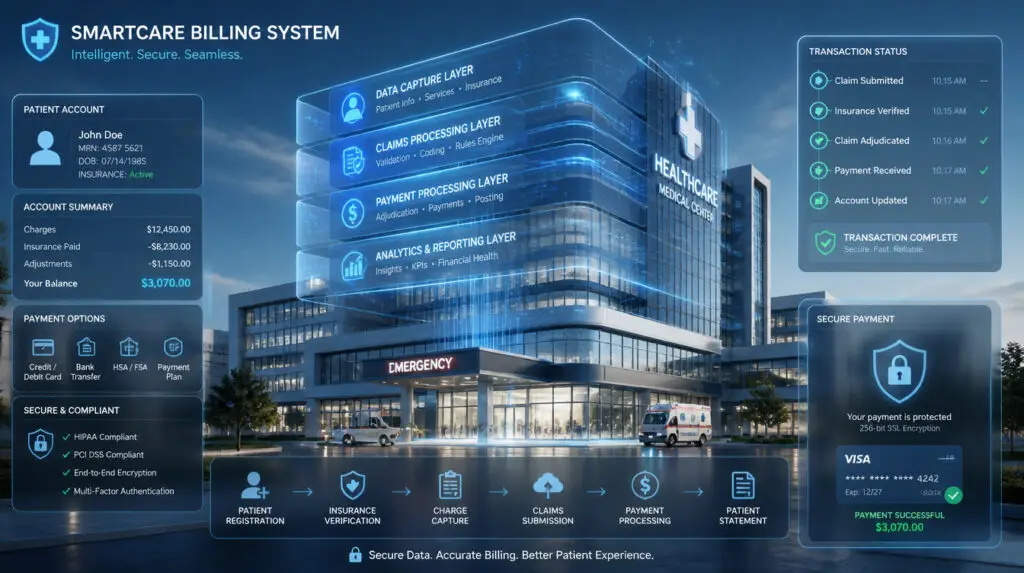
Explore how agentic AI and intelligent payment layers help hospitals reduce claim denials, automate revenue cycle workflows, improve payment accuracy, and recover lost revenue.
 by Riya Gajra
Enterprise AI agents rarely fail because of the model—they fail because of the governance around it. As organizations move from successful pilots to production, CIOs are being asked to own the “trust layer”: identity, permissions, guardrails, auditability, and accountability. This article explores why traditional access controls fall short, where guardrails should actually live, and the governance practices separating successful enterprise deployments from costly failures.
by Riya Gajra 
Explore how AI-driven predictive quality analytics helps manufacturers identify hidden warranty risks, reduce quality escapes, and transform quality control from reactive investigations to proactive prevention.
by Alok Kumar 
Explore how Generative AI helps manufacturers optimize operations, reduce downtime, improve product quality, and streamline supply chains for smarter, more efficient production.
 by admin
 Input your search keywords and press Enter.